
info@deleum.com
(603) 2295 7788

Safeguarding environmental well-being through climate action and responsible resource management.

Value Created FY2025

  • GHG intensity per workforce reduced by 7.1% to 1.3 tCO2e from 1.4 tCO2e in FY2024.
  • GHG intensity per revenue (RM million) remained stable at 2.1 tCO2e, consistent with FY2024.
  • Zero spillage incidents were recorded, with no environmental penalties during the year.
  • 0.1 megalitres of rainwater were harvested at operational facilities.
  • 400 mangrove sapling trees and 300 seedlings in Kemaman, Terengganu.
  • Over 40 freshwater terrapins were conserved while 135 individuals participated in educational awareness programmes conducted in collaboration with a local Non-Profit Organisation (“NPO”).
Climate Change

Following are the Group’s total emissions based on Scope 1 and Scope 2 sources in metric tonnes of carbon dioxide equivalent (“tCO2e”) in reference to GHG Protocol, as presented below: 

Note:

1. In FY2024, our GHG baseline year has been revised from FY2019 to FY2023 to reflect significant project developments and the adoption of new methodologies under ISO 14064-1.

2. Our Scope 1 and Scope 2 figures for FY2023 and FY2024 have been verified by an independent third-party, BSI, in accordance with ISO14064-1 at a materiality threshold of 5%.

3. Our Scope 1 and Scope 2 figures for FY2025 have been verified by an independent third-party, BSI, in accordance with GHG Protocol at a materiality threshold of 5%. The Verification Opinion Statement can be viewed on pages 104 to 107 of this Report.

4. A breakdown by gas type comprises carbon dioxide (CO₂), methane (CH₄), nitrous oxide (N₂O), and hydrofluorocarbons (HFCs). These emissions are converted to tCO₂e using 100-year Global Warming Potential (“GWP”) factors from the IPCC Sixth Assessment Report.

5. Location-based method.

6. The newly acquired Indonesian operations are excluded from this reporting year due to the ongoing operational integration process.

GHG Intensity

Deleum tracks GHG intensity per workforce and per revenue to provide normalised measures of emissions performance that reflect changes in staffing levels and business activity. In FY2025, GHG intensity per workforce reduced by 7% to 1.3 tCO₂e from 1.4 tCO₂e, while GHG intensity per revenue remained stable at 2.1 tCO₂e.

Why It Matters

Energy use and fuel consumption are key contributors to the Group’s environmental footprint. As an organisation operating in the energy sector, improving energy efficiency supports emissions reduction, cost optimisation, and operational resilience. Reducing energy consumption also strengthens alignment with climate-related commitments and evolving stakeholder expectations.

Our Approach

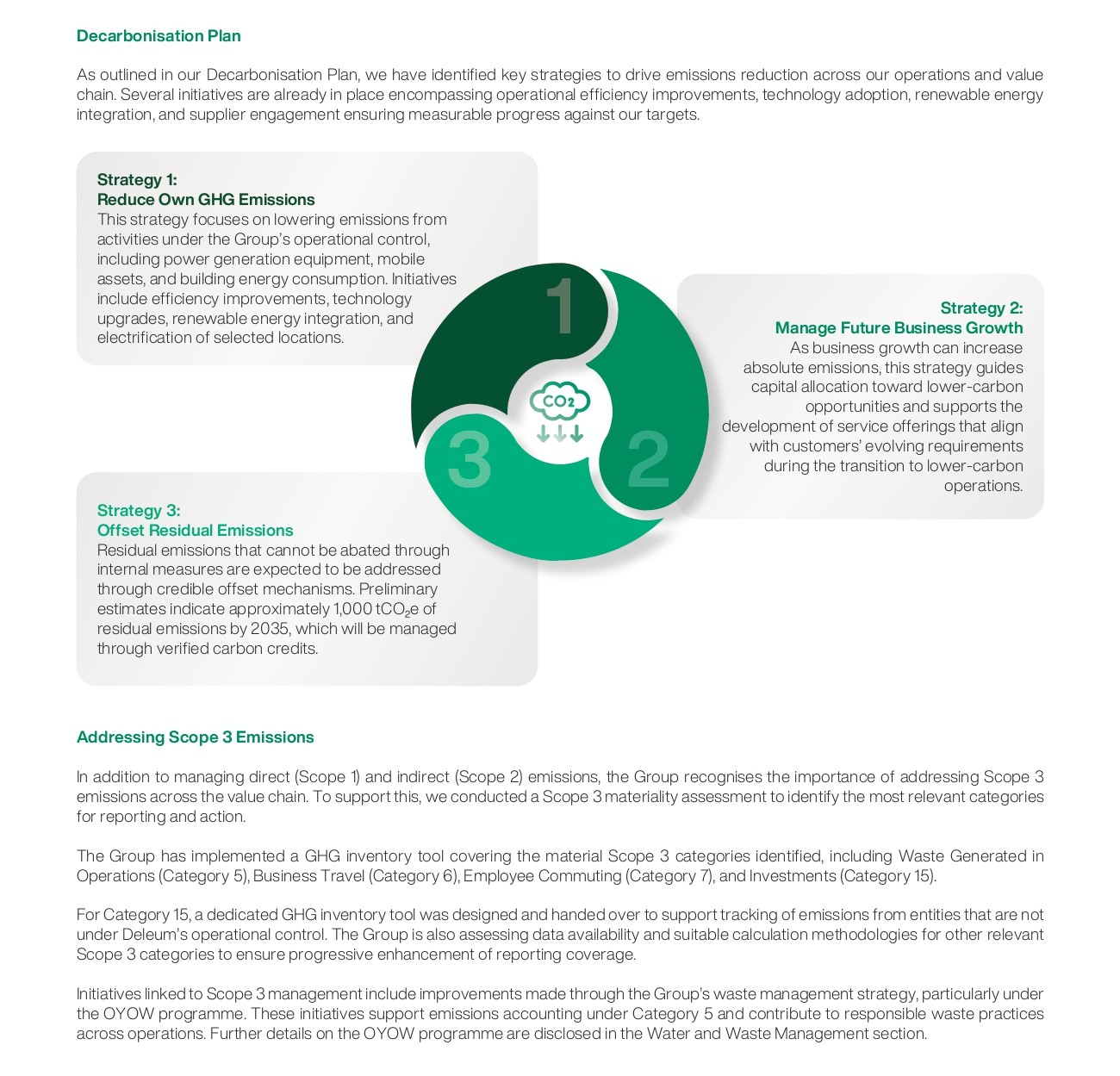
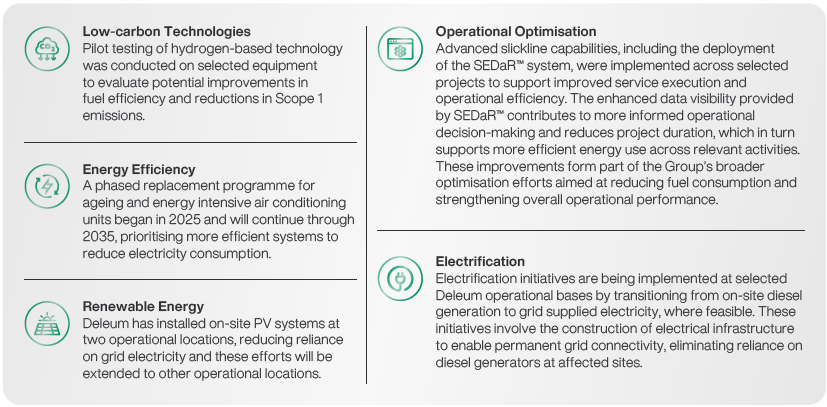
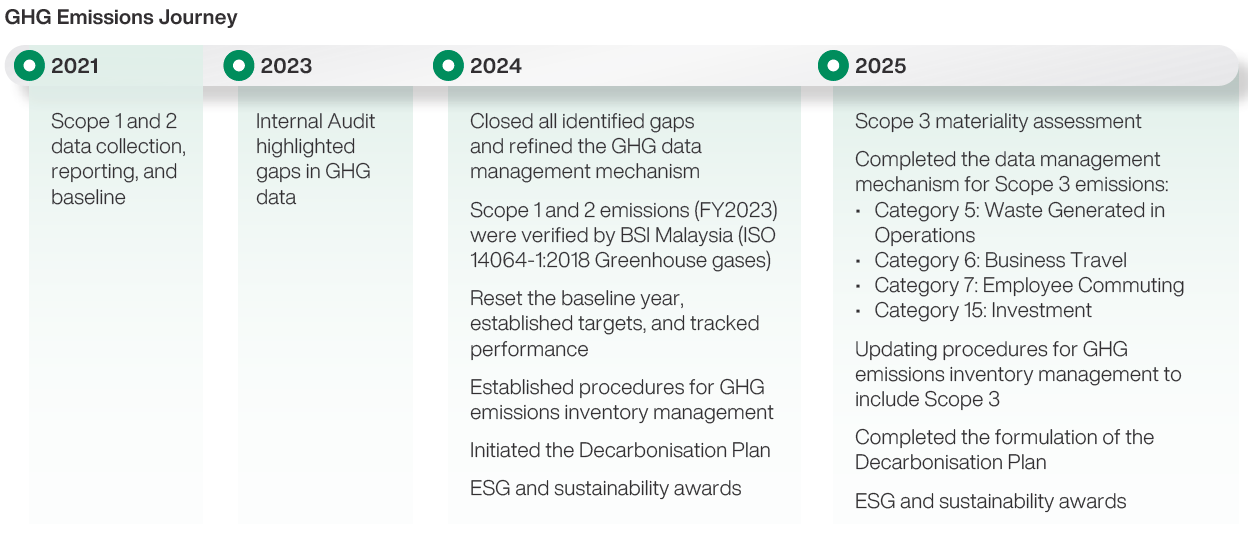
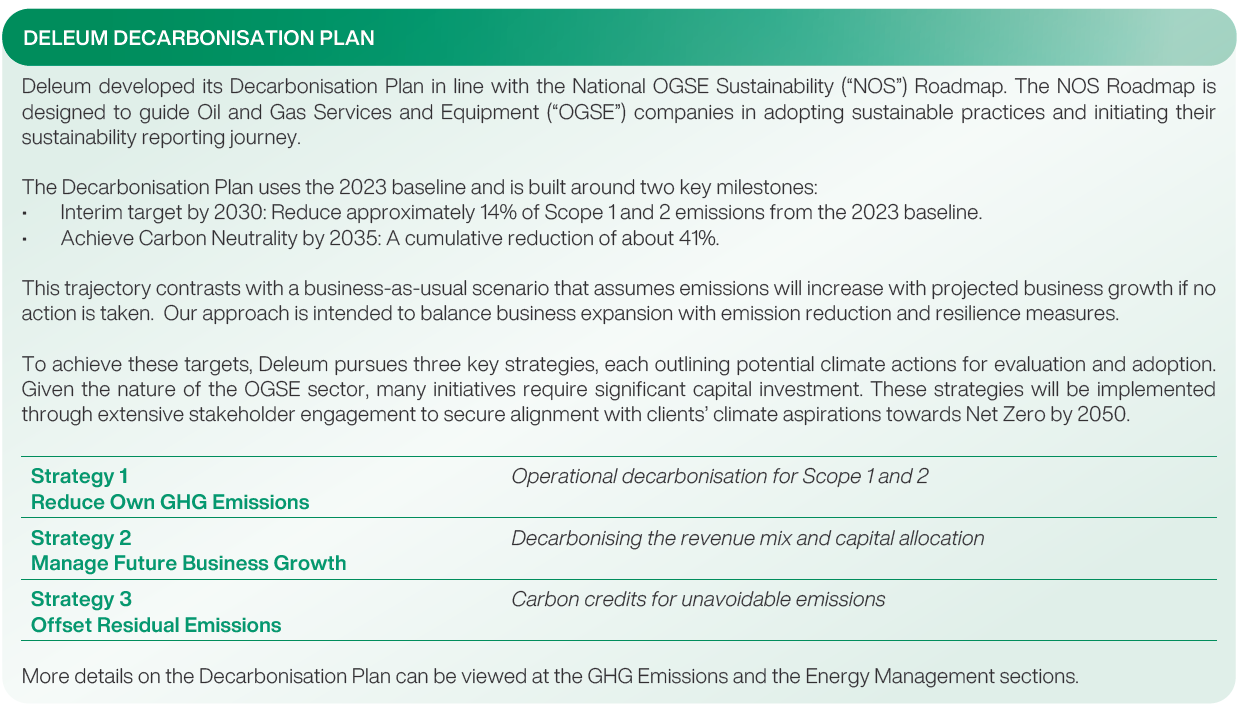
To achieve Carbon Neutrality by 2035, Deleum is implementing targeted initiatives across five focus areas:
The Group has established a baseline for water usage by tracking water consumption per employee for FY2025. This baseline supports future efforts to improve water efficiency. Despite operating in areas with minimal water scarcity risk, efficient water use remains part of the Group’s sustainability priorities. The Group continues to optimise rainwater harvesting at operational facilities to reduce reliance on municipal water where feasible.

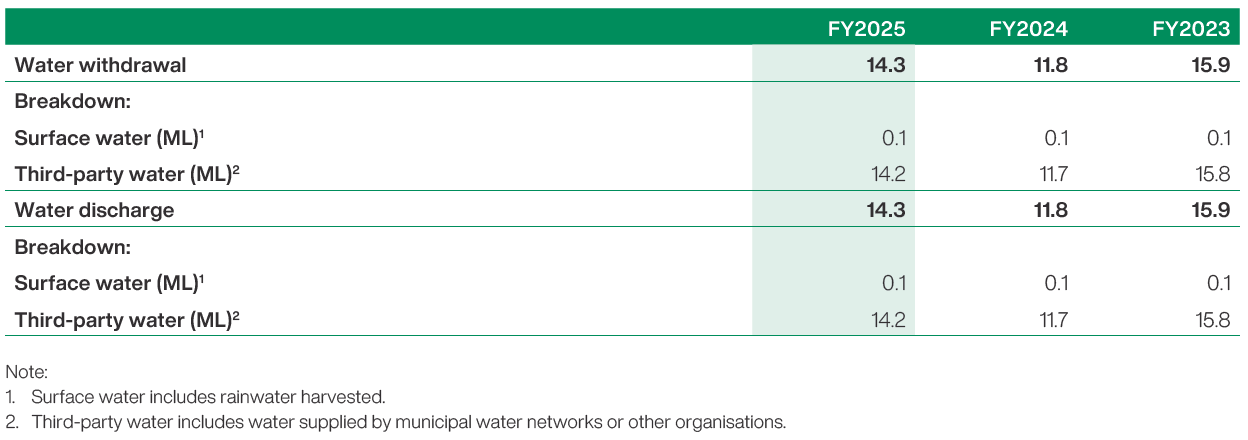
The following data outlines the Group’s total water consumption and water discharge over the past three years:

Water Management

Note:
1. In FY2025, the scope has been expanded to include Labuan operations.
2. Data recording for non-hazard
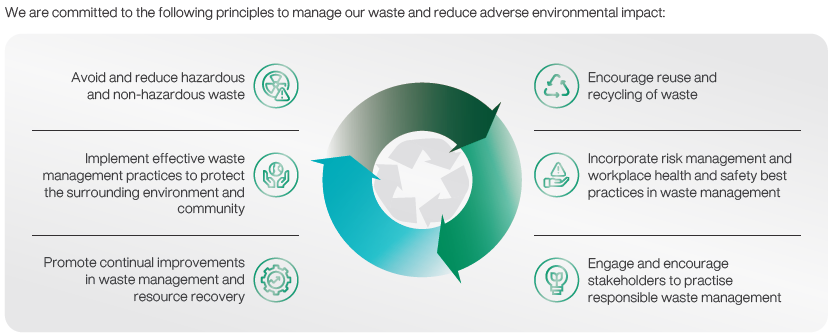
Adhering to the waste management hierarchy is imperative to align with the EQA 1974, an important legislative framework that underscores the significance of minimising environmental impact and improving our performance in resource efficiency, waste reduction, energy management, emissions reduction, water management, ecosystem protection, and environmental compliance.

Waste management practices follow the principles of the EQA 1974 and the waste hierarchy. The Group aims to reduce both hazardous and non-hazardous waste and improve resource recovery. Hazardous waste is managed by an in-house certified Scheduled Waste Competent Person registered with the Department of Environment.
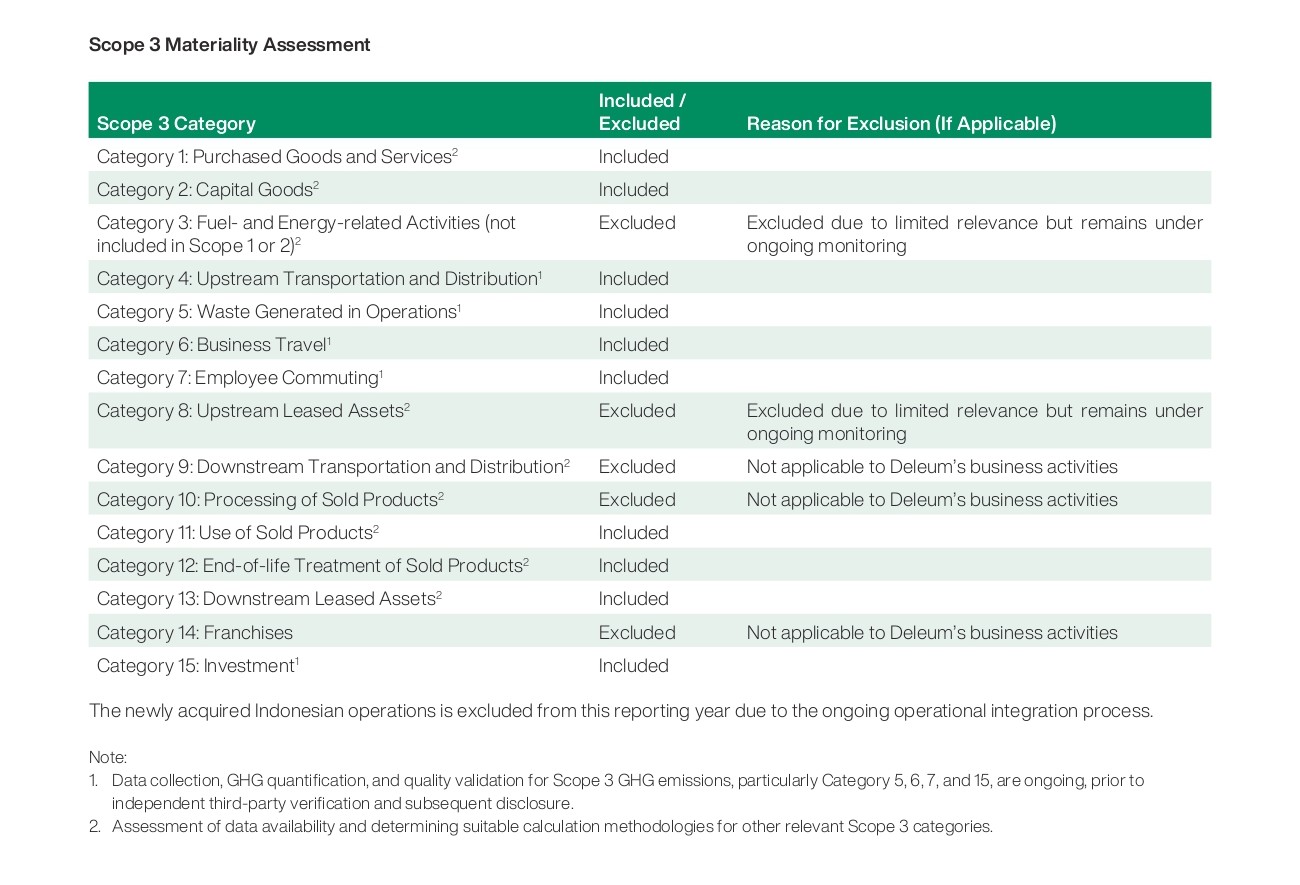
To enhance transparency and accountability, we have developed a GHG inventory covering both hazardous and non-hazardous waste streams under Scope 3 Category 5: Waste Generated in Operations. The tool applies activity-based data and appropriate emissionfactors for each waste type and disposal method, ensuring robust and credible emissions reporting. Currently, the data collection, GHG quantification, and quality validation are ongoing, prior to independent third-party verification and subsequent disclosure.

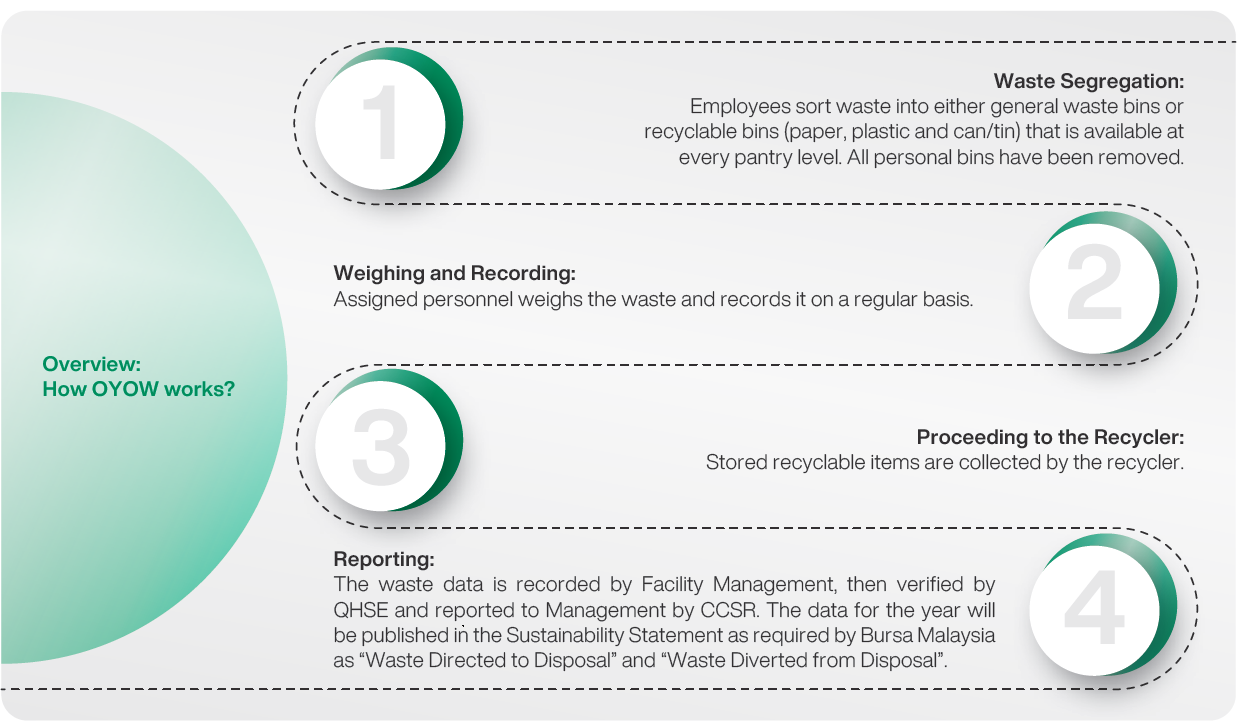
Own Your Own Waste Programme (OYOW)

The OYOW programme remains central to the Group’s waste management efforts, promoting the adoption of the 6R principles — Reuse, Reduce, Refuse, Repurpose, Recycle, and Rethink — to minimise waste generation and enhance resource efficiency across our operations.
The programme was launched in FY2024 as a pilot project involving several departments at the Group’s headquarters in Kuala Lumpur.

Following the successful implementation of the programme, it was extended to offices and facilities in Labuan in FY2025. Going forward, OYOW is planned to be rolled out to Kemaman and other locations, with full Group‑wide adoption targeted by 2029.

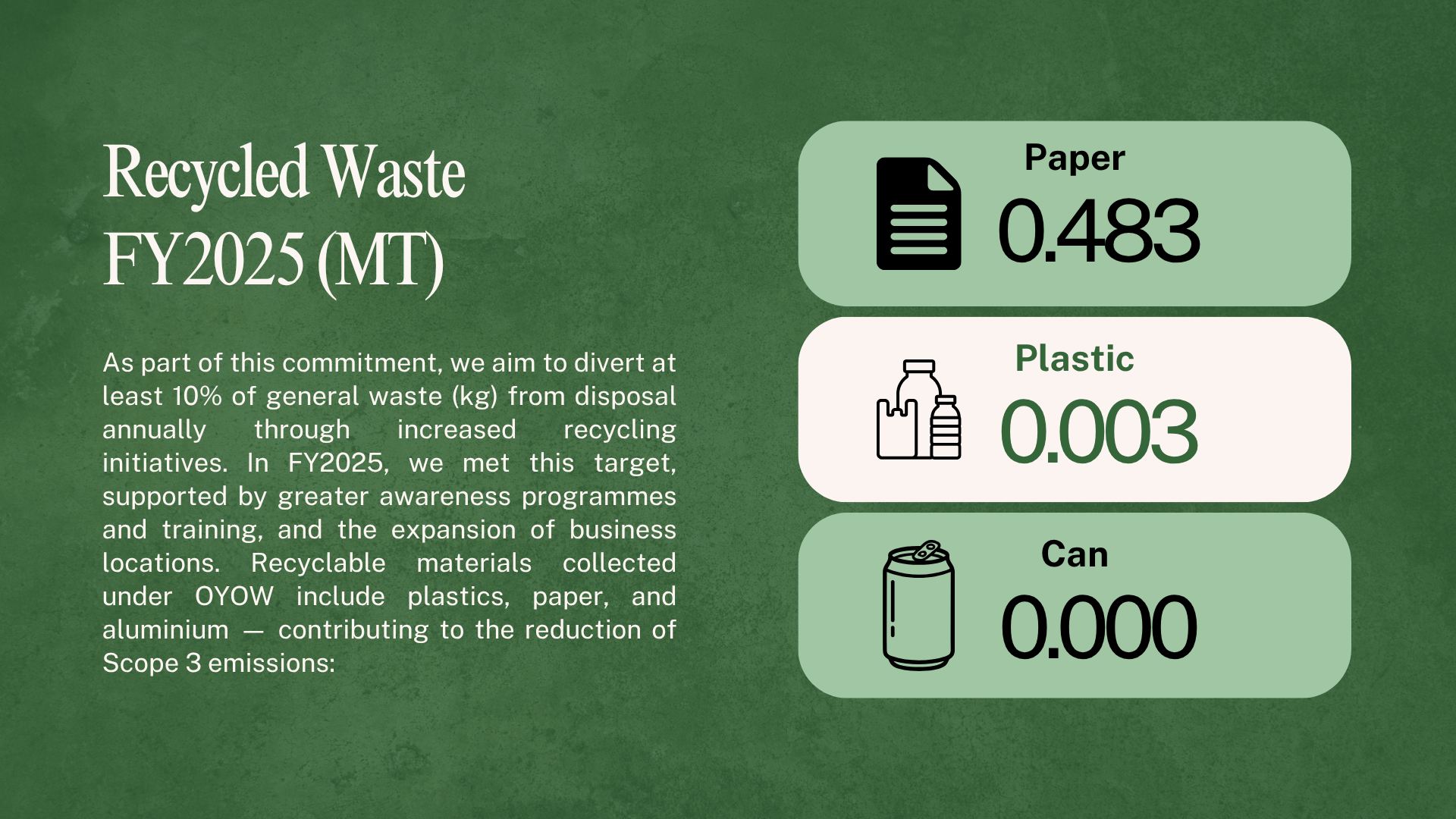
As part of this commitment, we aim to achieve a minimum of 10% diversion of general waste (kg) from disposal annually through increased recycling initiatives and in FY2025, we achieved this target, supported by greater awareness programmes or trainings and the expansion
of business locations. Recyclable materials collected under OYOW include plastics, paper, and aluminium — contributing to the reduction of Scope 3 emissions:
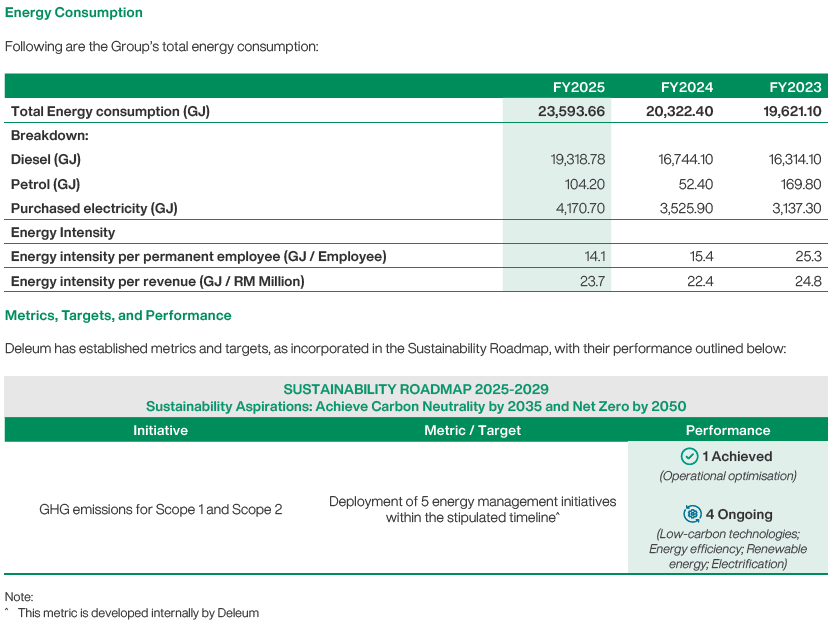
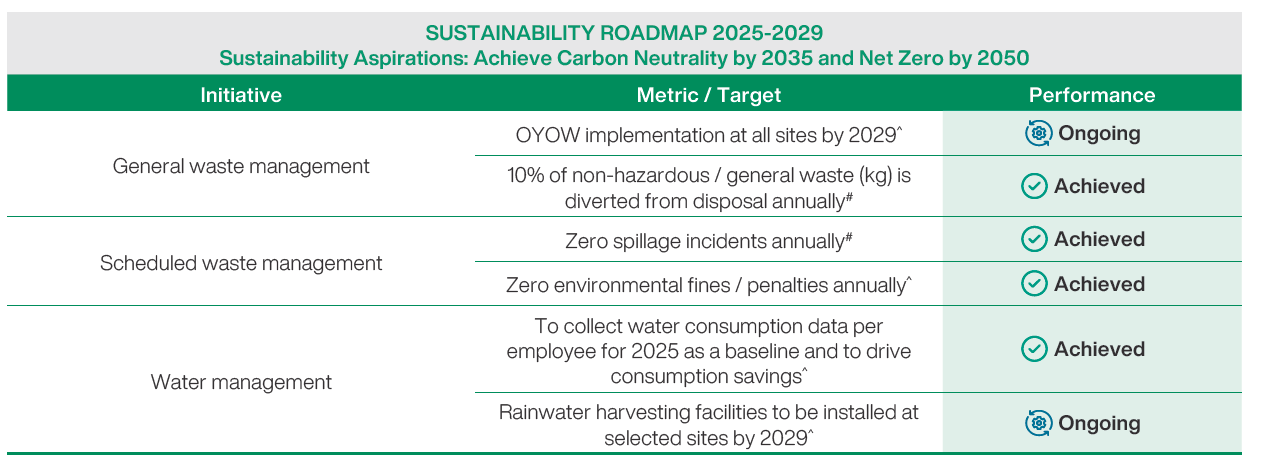
Metrics, Targets, and Performance
Deleum has established metrics and targets, as incorporated in the Sustainability Roadmap, with their performance outlined below:

Mangrove Planting Programme

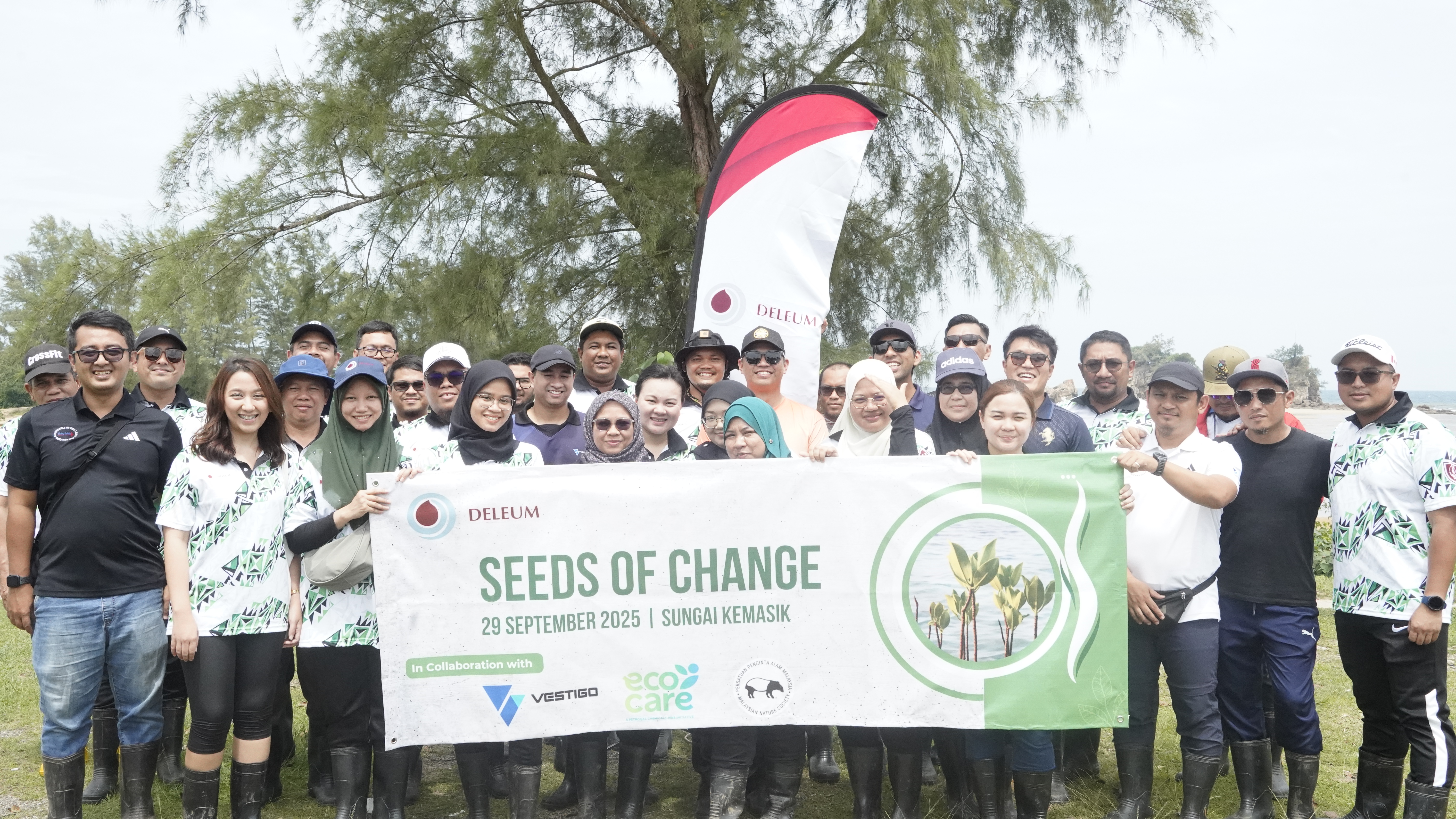
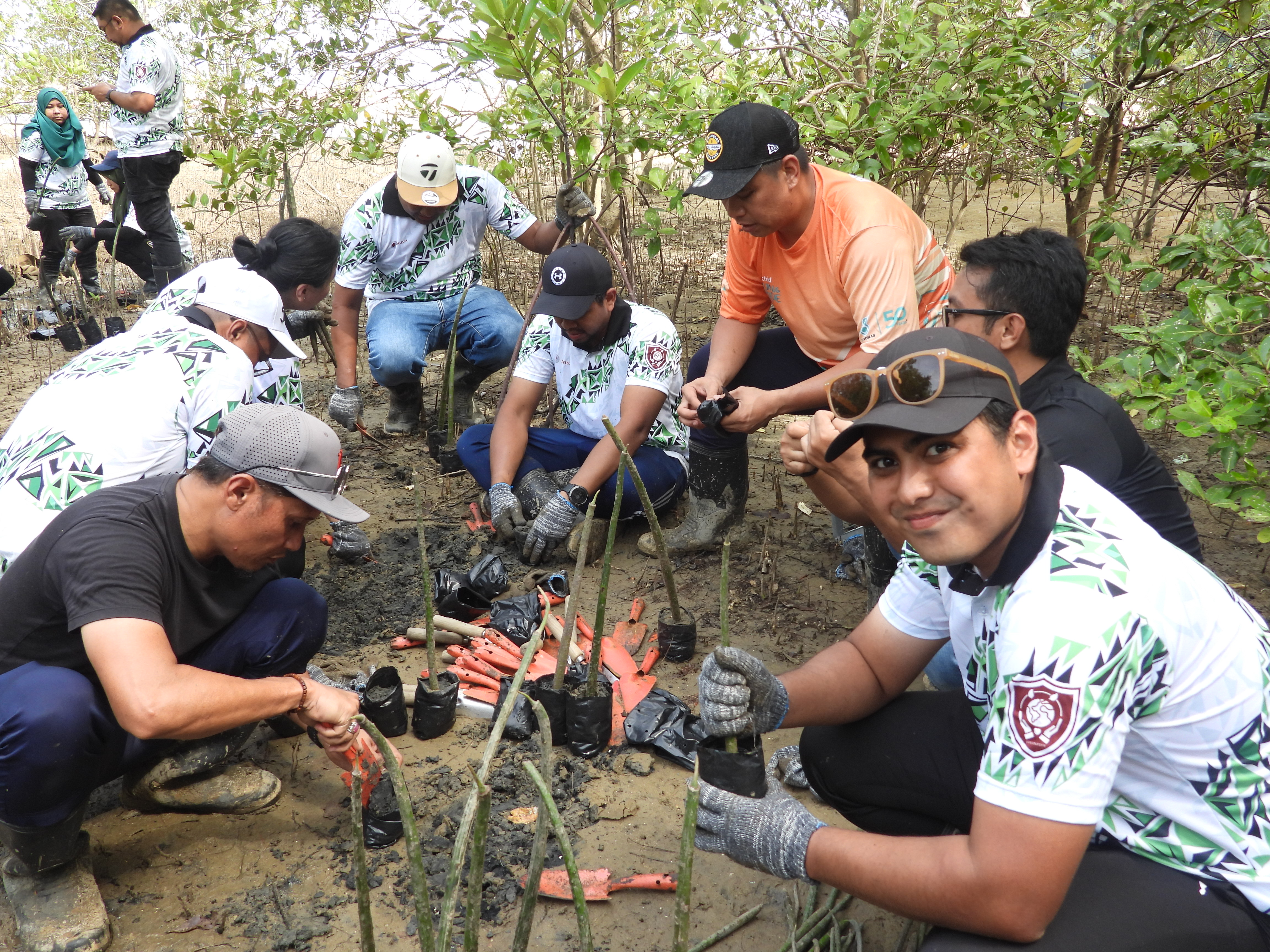
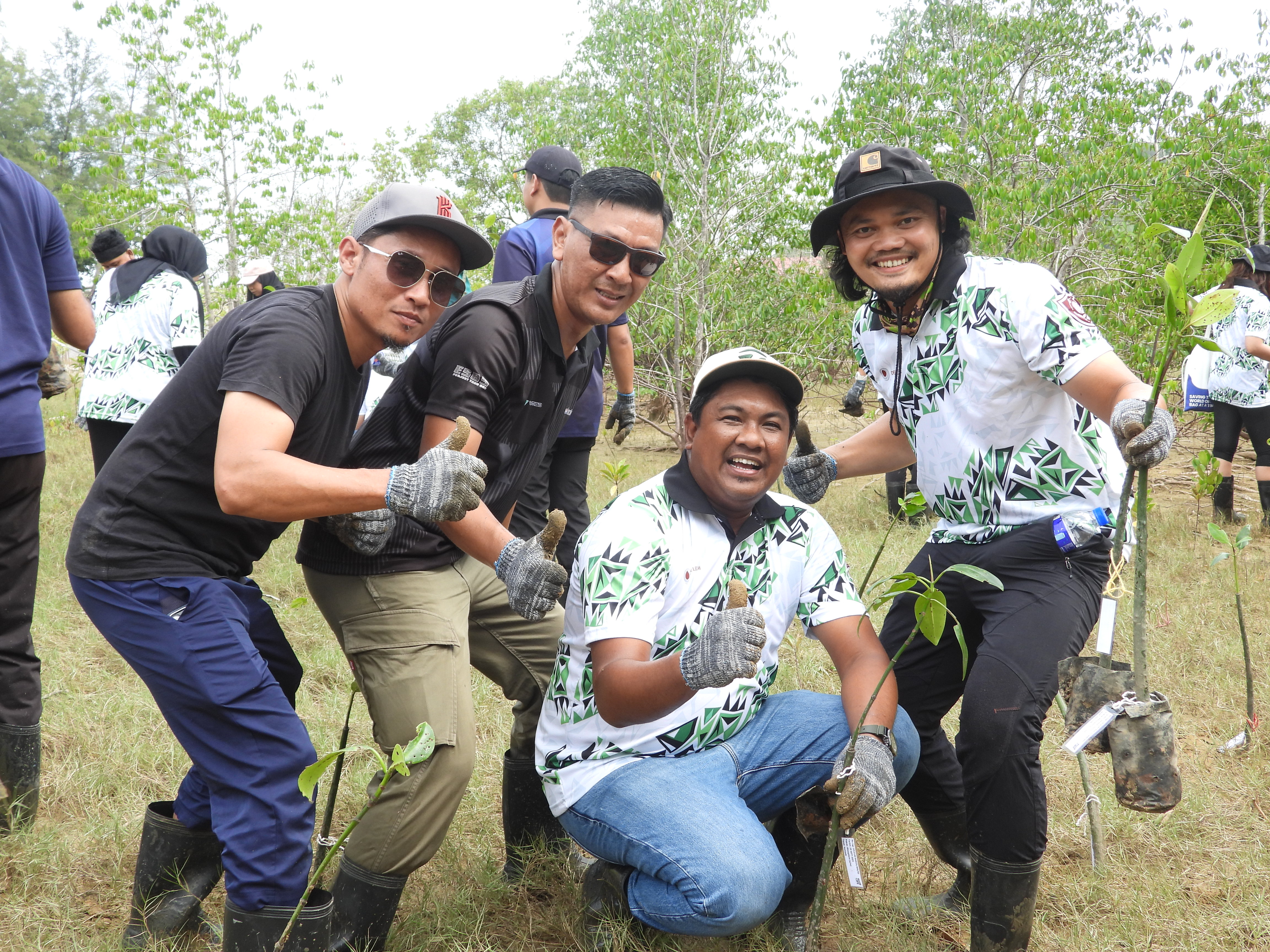
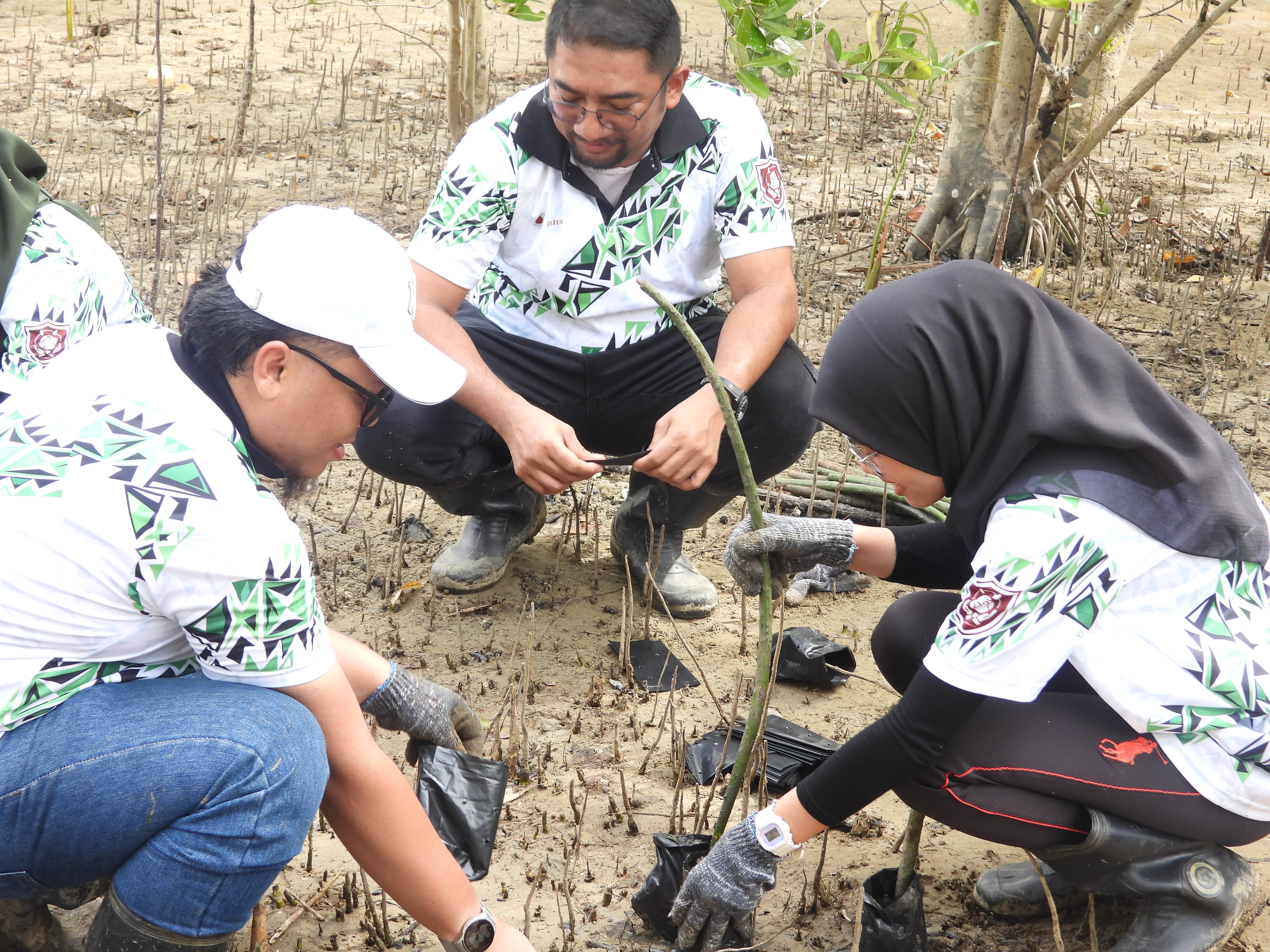
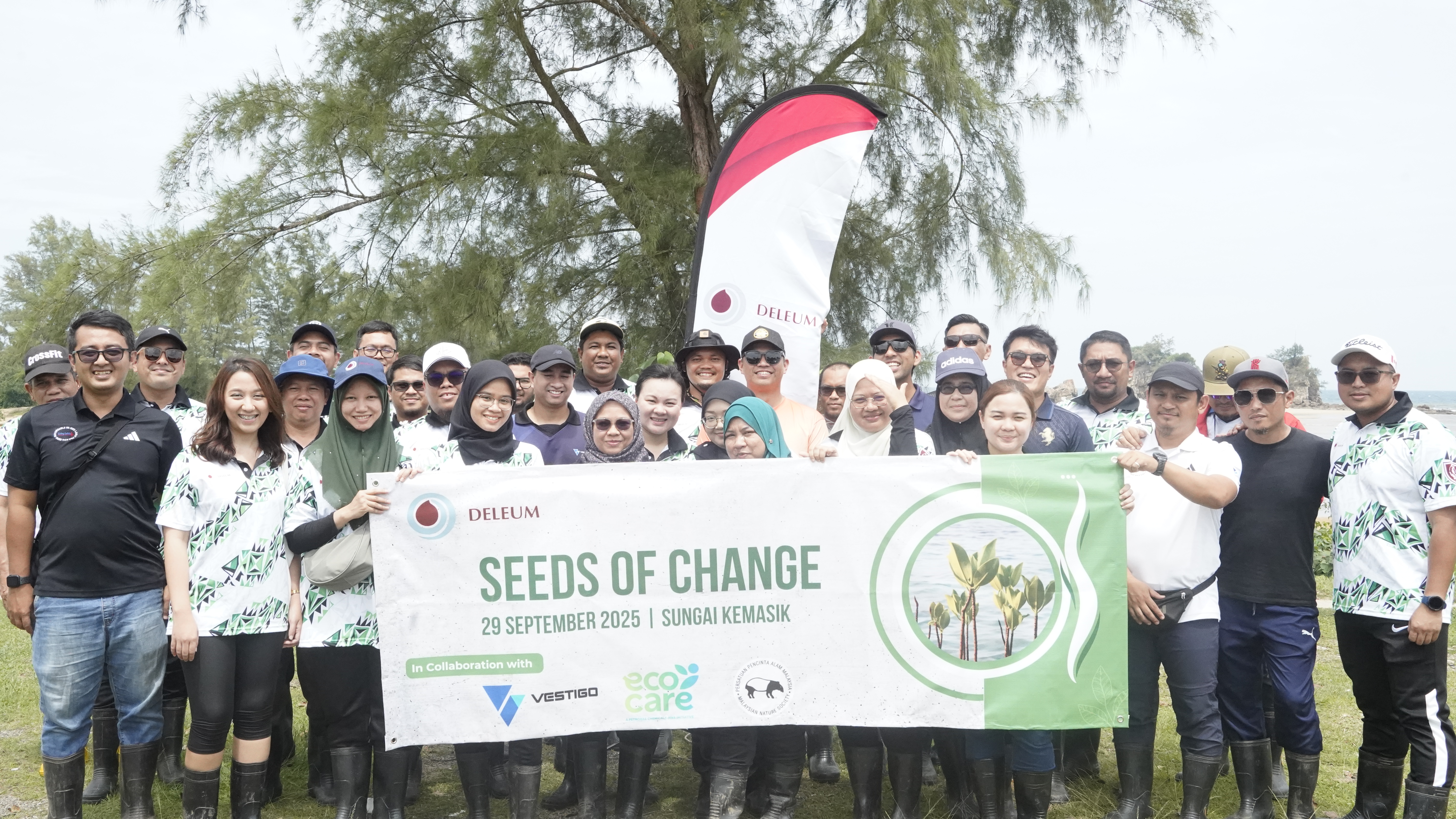
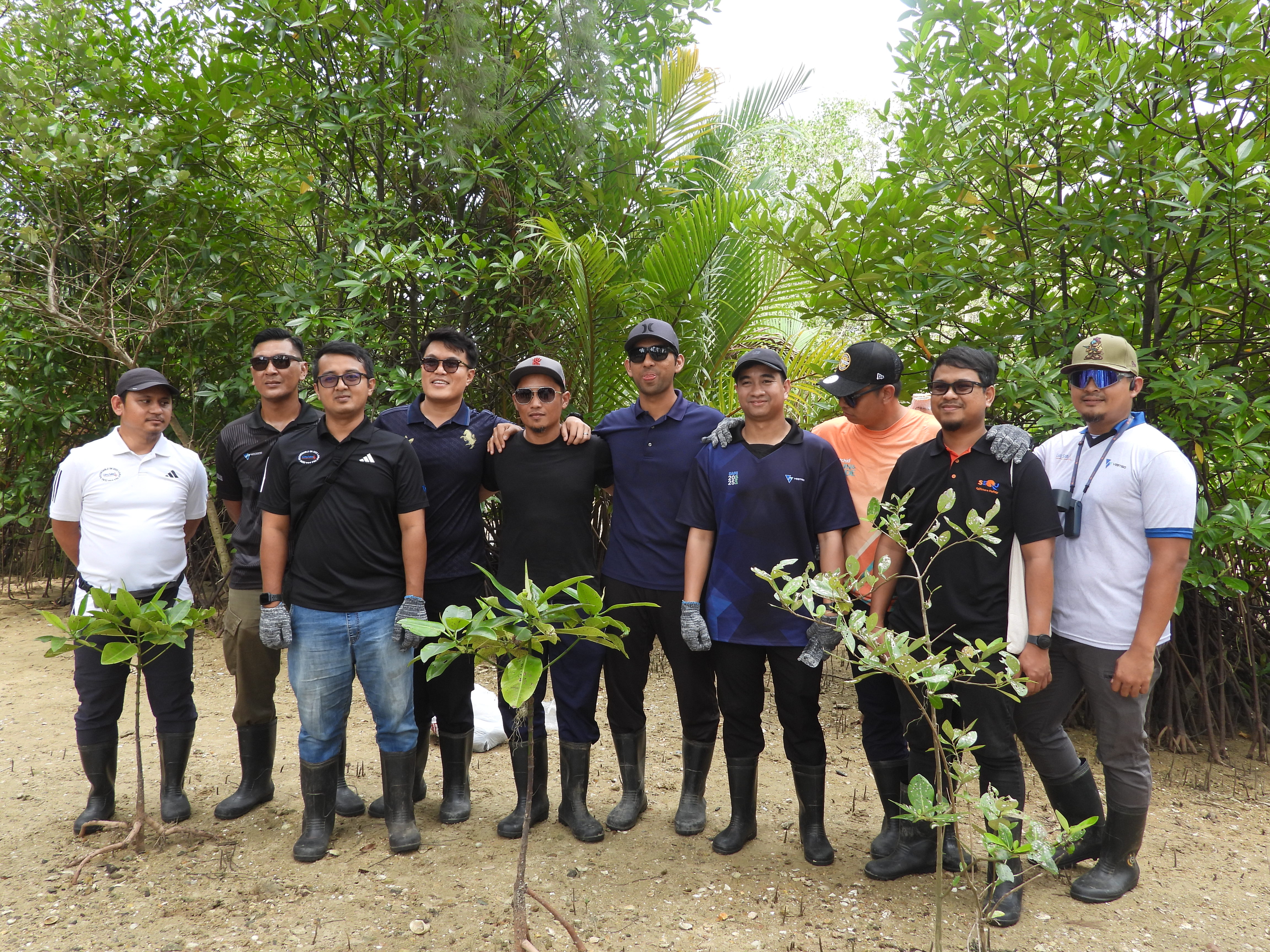
The Deleum Mangrove Planting Programme 2025 was conducted in Kemaman, Terengganu, in collaboration with the Malaysian Nature Society. Over 60 volunteers including Deleum employees, representatives from Vestigo Petroleum Sdn. Bhd., and members of the local community planted 400 mangrove saplings and 300 seedlings along a 1 km stretch of the Kemasik River.

This initiative supports ecosystem restoration, coastal protection, and biodiversity conservation. Volunteers also attended a knowledgesharing session by the ecoCare Environmental Education Centre on the ecological importance of mangroves.

Total volunteers: 60

Amount invested: RM27,552

Supporting Terrapin Conservation


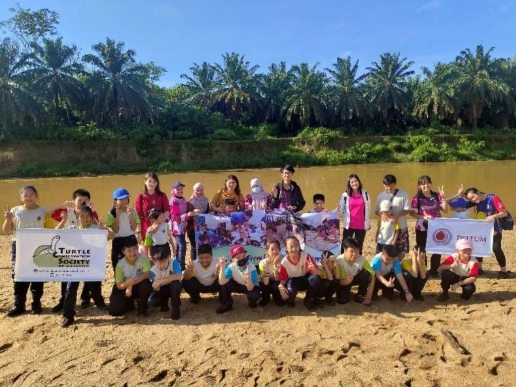
Deleum continued its partnership with the Turtle Conservation Society to support terrapin conservation efforts in Kemaman, Terengganu. In FY2025, the programme expanded to benefit underserved community homes, one secondary school and one primary school, reaching 135 participants through activities such as Turtle Talk and Turtle Explorace. These activities helped raise awareness of freshwater turtle species and their habitats.

Total volunteers: 135
Amount invested: RM10,000
Beach Cleaning Initiatives Promoting Environmental Stewardship

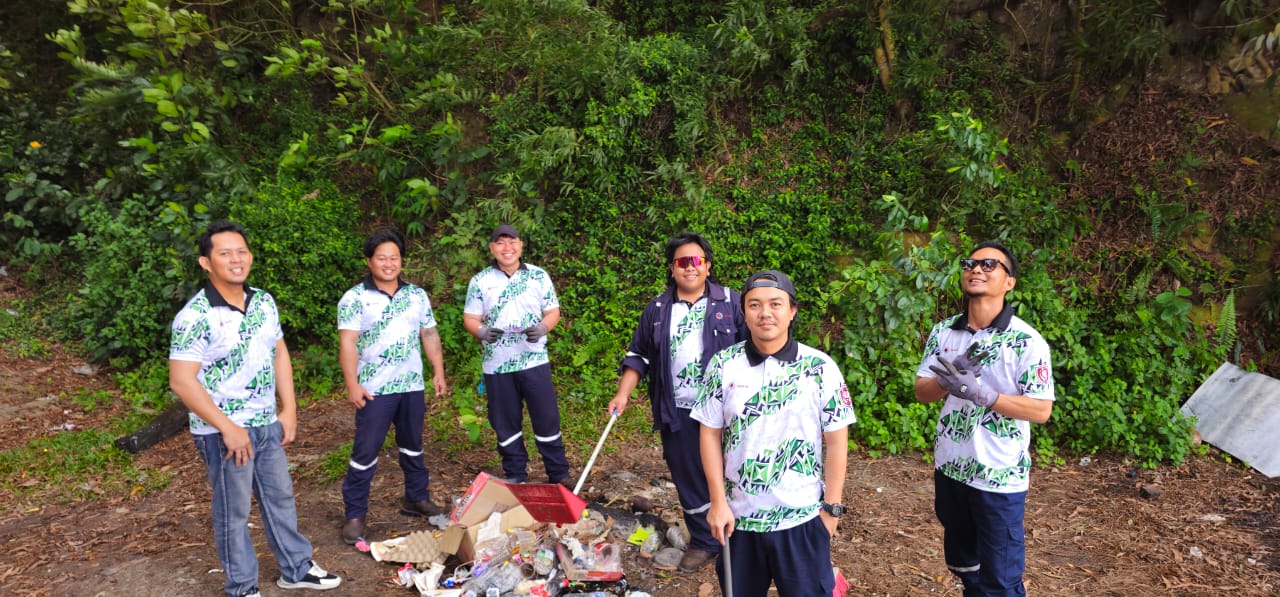
Deleum volunteers took steps to deepen our connection with nature and the communities we serve by participating in coastal clean-ups in Miri and Labuan. In Miri, about 40 volunteers, including Deleum team members in Miri and representatives from the Miri City Council’s Sustainability Unit, cleared 56 kg of waste along a 1.5 km stretch at Luak Esplanade, contributing to a cleaner and safer beach for the community.

In Labuan, a similar effort was carried out by 10 of our Labuan employees to help maintain the cleanliness of the local shoreline. This initiative further demonstrates our ongoing commitment to environmental responsibility and biodiversity conservation, ensuring our coastlines remain protected for future generations.

Total volunteers: 50
Amount invested: RM3,742